Computer System Integration Methods: An Introduction through 'Computer System Integration Service' by Umakishore Ramachandran
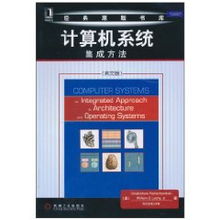
Computer system integration is a critical discipline in modern computing, involving the combination of hardware, software, networking, and other components into a cohesive and functional whole. A foundational text in this area is "Computer System Integration Service" (or similar titles) by renowned computer scientist Umakishore Ramachandran (often referred to as "Ram" Chandran). While an exact English edition titled precisely as such might be a specific adaptation, his work, particularly in areas like real-time systems, distributed computing, and system design principles, provides the theoretical and practical underpinnings for integration methodologies.
System integration is not merely about connecting parts; it is a methodological process. The core methods can be categorized as follows:
- Vertical Integration (Point-to-Point): This is the traditional method, building functionality by integrating subsystems from the bottom up (e.g., hardware to operating system to application). It can be efficient for small-scale projects but becomes complex and fragile as systems grow.
- Horizontal Integration (Enterprise Service Bus - ESB): This modern approach uses a common communication bus or middleware layer. All subsystems connect to this central backbone, communicating through standardized interfaces and protocols (like SOAP, REST). This promotes loose coupling, scalability, and easier maintenance, which are central themes in Ramachandran's discussions on system architecture.
- Star Integration (Hub-and-Spoke): Similar to horizontal integration but often with a central hub managing the interactions. It simplifies connections but makes the hub a potential single point of failure.
- Common Data Integration: This method focuses on creating a unified view of data across disparate systems, using techniques like data warehousing, federated databases, or ETL (Extract, Transform, Load) processes. Ensuring data consistency and timely flow is a key challenge addressed in system design literature.
Ramachandran's contributions emphasize the importance of a service-oriented perspective. In his framework, a "Computer System Integration Service" would likely be viewed as a set of managed services that ensure:
- Interoperability: Different components, possibly from different vendors, work together seamlessly.
- Reliability and Performance: The integrated system meets functional and non-functional requirements, such as response time and throughput, crucial in real-time systems—a key research area for Ramachandran.
- Scalability and Evolution: The system can grow and adapt to new technologies without a complete overhaul.
- Abstraction and Modularity: Complex systems are built from well-defined modules with clear interfaces, hiding internal complexity.
The process typically involves stages like Requirements Analysis, Architectural Design, Selection of Components and Standards, Development of Integration Interfaces, Testing (including unit, integration, system, and acceptance testing), Deployment, and Ongoing Maintenance & Management.
In conclusion, the methods of computer system integration, as informed by the principles found in the works of experts like Umakishore Ramachandran, have evolved from rigid, point-to-point connections to flexible, service-based architectures. The goal remains constant: to create a unified, efficient, and robust information system that delivers greater value than the sum of its individual parts. Understanding these methods is essential for any professional tasked with building the complex, interconnected systems that power today's world.
如若轉載,請注明出處:http://m.tg2s.cn/product/47.html
更新時間:2026-04-27 11:34:08